Grassroots drifting in the UK does not happen at the sharp end of a championship table. It happens in paddocks: at airfields with a windsock and a long strip of cracked concrete, at ovals where the banking eats a set of rear tyres in an afternoon, at sprint circuits hired for the day by a club that has scraped together enough entries to make the numbers work. The driving is the point. The paddock is where the culture actually lives.
What a Drift Paddock Actually Is
If you have only watched drifting on a screen, the paddock comes as a surprise. It is pit lane, workshop, canteen and clubhouse rolled into one, usually on gravel, usually with a shared air line that somebody guards like a family heirloom. Generators hum. Someone is on their knees with a trolley jack. Someone else is welding a diff mount in the corner while a stranger holds a torch and asks sensible questions.
Nobody is being paid to be there. The marshals gave up their Saturday. The organiser has spent the week chasing entries, noise paperwork and a venue that will have them back next month. That is worth remembering when the queue is long and the track time is short: the person in the high-vis is not the enemy, they are the reason you have a track at all.
Paddock Etiquette: The Rules Nobody Writes Down
Grassroots drifting runs on goodwill, and goodwill is easy to lose. Most of the code is obvious once you have watched it once, but it is worth saying plainly.
- Ask before you touch. Paint, wings, bonnets, door handles — it makes no difference. If it is not yours, keep your hands off it until you have asked.
- Do not borrow what you cannot return. Bring your own basics: jack, axle stands, socket set, cable ties, gloves, a bin bag. Asking is fine. Asking the person mid-engine-swap is not.
- Give back more than you take. Wipe the spanner down, return it where it came from, and replace what you emptied — brake cleaner, cable ties, welding wire, oil.
- Park straight and tight. Paddock space is shared with trailers and vans. Keep the through-route clear.
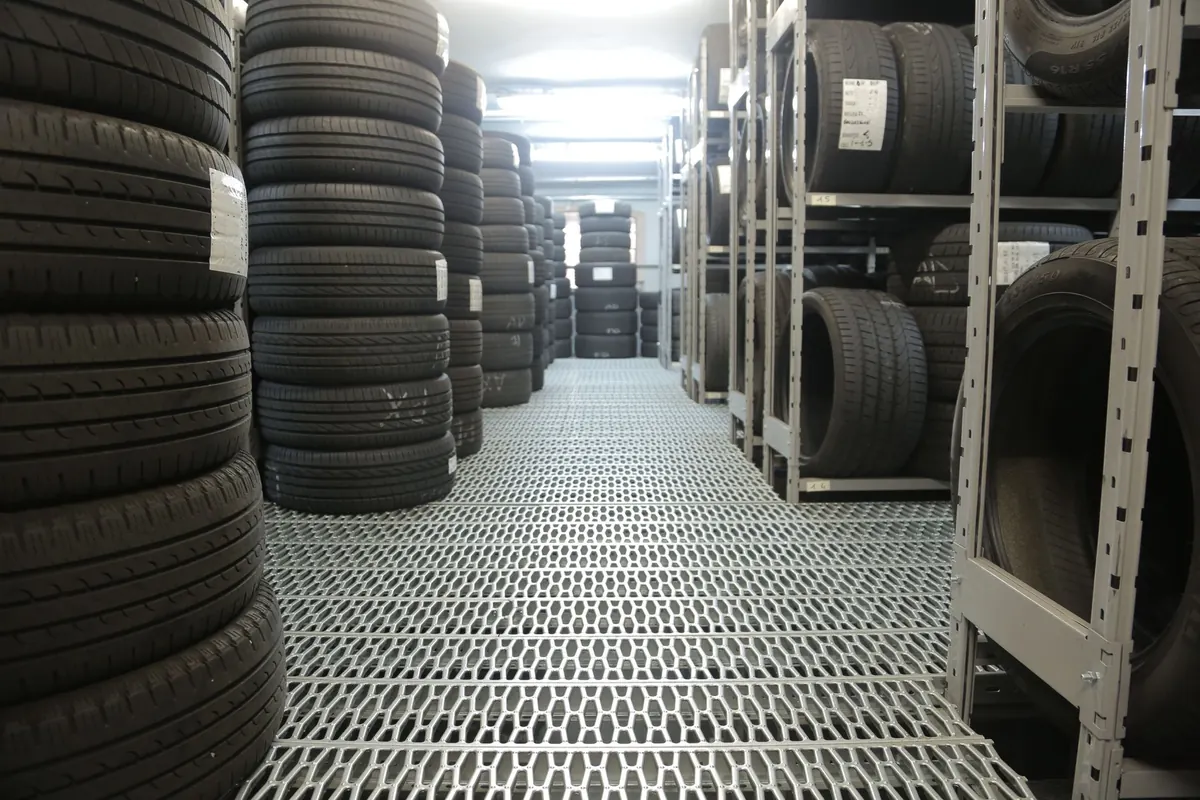
- Take your tyres and rubbish home. Most venues will not let you leave a stack behind, and dumping them is selfish, illegal and the quickest way to lose a site for everyone.
- Ask before you film inside someone's car, and think hard before posting a clip of somebody else's crash. They may not have told their family yet.
- Watch the noise. Some venues sit yards from houses, and the curfew is the curfew. If a child is standing near a car being warmed up, that is not the moment to blip the throttle.
The real currency in a paddock is usefulness. Help push a car off a trailer. Hold a light. Sweep a bay. Lend a jump pack. People remember who was standing next to them at eleven at night with a spanner, and that is how you get invited to the next one.
Queue Manners and Track Etiquette
Attend the briefing. Every time, even when you have heard it a hundred times, because the layout, the noise limits and the overtaking rules change between venues. Helmet on, seatbelts done up, windows as the venue asks. If passengers are allowed, only with the venue's permission and a car properly prepared for it.
Queue in order and do not jump the line because you know someone. Leave a sensible gap on the way in — two or three car lengths is usually enough — and do not enter at a speed that forces the driver ahead to react. If you spin, keep the car on the tarmac if you can, get it off the racing line, and wait for a marshal's instruction rather than reversing back up the track into traffic. Hand up to acknowledge. Then learn from it and do not do the same thing twice in one session.
The quicker car does the work. If you are faster, wait for a clear opportunity rather than sitting on someone's door and hoping they move. If you are the novice, be predictable: hold your line, do not lift halfway through a corner for no reason. If the gap ahead is closing, back off and reset rather than climbing into somebody's bootlid.
Meets, Cliques and How to Get In
Local meets usually mean a pub or retail car park with permission, a venue running an evening session, or a pre-season shakedown where everyone turns up with something half-finished and a list of jobs. Scenes like this are built on friendship groups that have formed over years, which can feel closed from the outside. It is not, but you have to do the work.
Turn up early and stay late. Offer to help unload. Volunteer for the tyre pile or the gate. Ask about a build rather than explaining what is wrong with it — most people will happily talk for twenty minutes about a rear subframe. Buy a part rather than haggling for one. And once you have a car that runs, use it.
What gets meets shut down is a small list: revving in the car park, burnouts on the way out, litter, and leaving early when it suits you. If you bring friends, brief them before you arrive.
The Group Chat Is Half the Scene
A lot of UK grassroots drifting now happens between events. Regional Facebook groups handle parts, seat swaps and spare track-day places. Instagram clips are the shop window, which is why crediting the person who filmed or the driver being filmed matters more than the clip itself. WhatsApp and Discord groups do the day-to-day work: who has a spare diff, who is towing on Saturday, who needs a hand bleeding brakes on Thursday night.
Two habits keep you in good standing online. First, do not air grievances about organisers or marshals in public — message them, or better, ask what you can do to help. Second, send a short thank-you to the organiser after a good day. It costs nothing and it gets remembered when entries are tight.
Your First Day: A Practical Checklist
- Read the venue's rules, noise limits and booking requirements before you leave the house.
- Pack a jack, axle stands, a socket set, cable ties, brake cleaner, oil, water, gloves and a bin bag.
- Take more tyres than you think you need, and a plan for getting the dead ones home.
- Introduce yourself to the organiser and the marshal at the briefing, and ask where the novice group queues.
- Start in the novice group and learn the line at low speed before you chase angle.
- Help one person before you leave — push a car, lend a tool, sweep a bay.
- Clear your patch, thank the marshals, and say goodbye to the people you met.
Do that a handful of times and you stop being the new person. You become part of the paddock, which is the whole point.
One practical note: if you are unsure whether a modification keeps your car legal for the road, ask your insurer rather than a forum thread, and take proper advice before relying on any assumption about cover.
Photo: westphotoandvideo / Pixabay