Drifting looks effortless from the spectator bank: a car sideways, throttle pinned, tyre smoke rolling across the tarmac. Then you try it and discover that holding a slide for more than two seconds takes far more than commitment. It takes seat time, a rear-wheel-drive car you aren't precious about, and a venue that will let you spin off without attracting the wrong kind of attention.
The UK has one of the friendliest grassroots scenes in Europe. You can turn up to a practice day with a tired BMW, a helmet and a spare set of wheels, and spend the afternoon learning to link a simple figure-of-eight. Here's how the whole thing fits together.
Start with seat time, not a build
The most common beginner mistake is spending nine months building a car and none of it driving. Your first goal is a single day of sideways seat time, even in somebody else's motor.
Most circuits that host drift days run beginner groups with a short briefing, sighting laps and then open track. Some organisers offer arrive-and-drive cars or tuition, which is the cheapest way to find out whether you actually enjoy it before you spend a penny on a project. Venues that have run drift days in recent years include Teesside Autodrome, Lydden Hill, Santa Pod, Buxton, Three Sisters, Anglesey, Driftland in Fife and North Weald — but calendars change constantly, so check what's on near you rather than relying on old forum posts.
Expect to spin. A lot. Spinning on a circuit is exactly what the day is for, and marshals have seen it thousands of times. If you can leave having held a doughnut, a figure-of-eight and one honest second-gear slide, that's a good first day.
Choosing a car
You need rear-wheel drive, a manual gearbox, working brakes and cheap body panels. Power is the last thing on the list. A standard 170–200bhp car with a welded differential or a tired limited-slip diff will teach you more in a season than something with twice the output.
The usual UK starter shortlist runs along these lines: BMW E36 or E46 3 Series, Mazda MX-5 (Mk1 to Mk3), Lexus IS200, Volvo 240 or 940, and the Nissan 350Z if you don't mind a heavier car. Older Nissan 200SX models remain the classic choice, but prices have climbed well beyond beginner money. Buy on structure and mechanical health, not paint.
Track-worthy essentials
- No fluid leaks, and a cooling system that holds temperature in traffic and on track.
- Battery properly clamped, not rattling loose in the boot.
- Working brake lights and a handbrake that actually bites.
- Front and rear recovery points so a marshal can pull you out without ripping the bumper off.
- Seats, belts and mounts in good order — a 30-year-old inertia reel isn't a safety plan.
- Brake pads and fluid with some life left, and tyres with visible tread.
- Sound levels within the venue's static limit, usually somewhere around 95–105 dB. Check before you book.
The kit that actually gets used
You don't need a race suit to learn. You do need to be comfortable, warm and able to change a wheel in the rain. A sensible first shopping list: an approved helmet (motorsport standard, not a cheap motorbike lid), gloves, long sleeves and trousers in natural fibres, thin-soled boots, a tyre pressure gauge, a jack and wheel brace, three or four spare wheels, a stash of part-worn tyres, oil, coolant, cable ties, gaffer tape, a jerry can, a folding chair, and more water and food than you think you'll need.
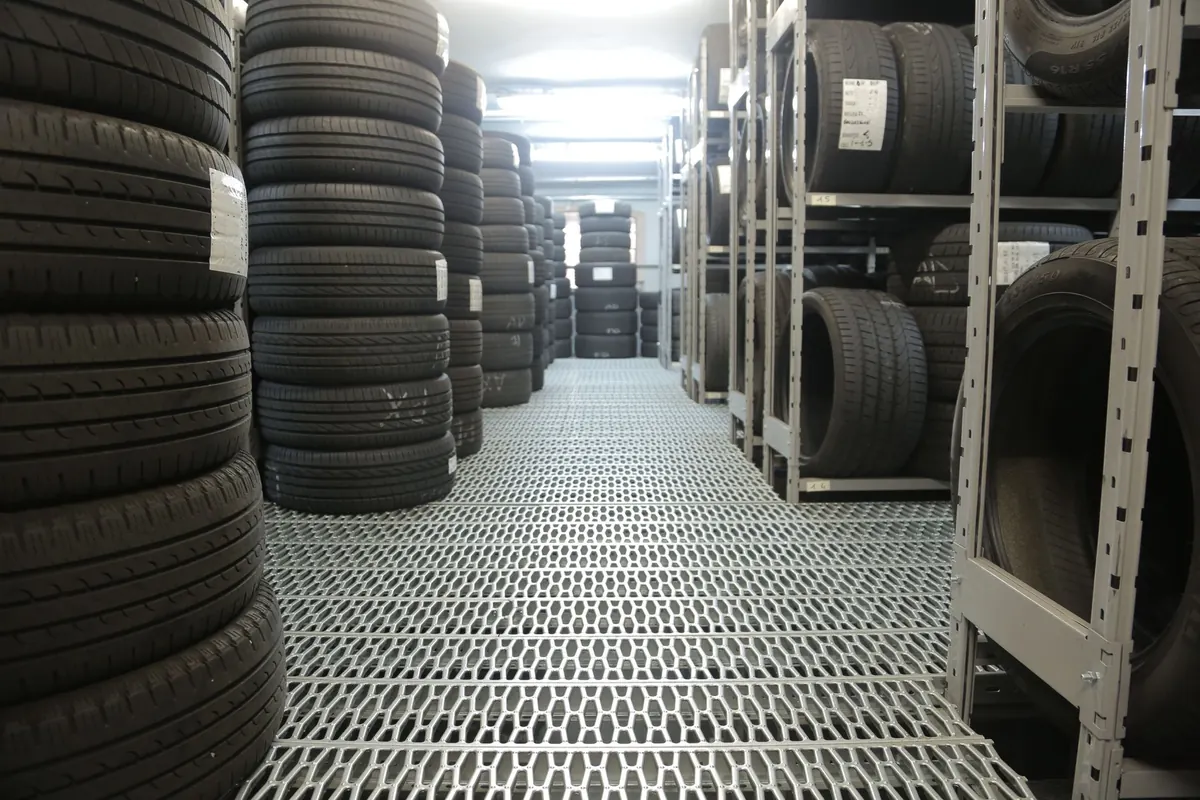
Buy tyres in bulk from other drifters rather than new. Part-worns are the entire economy of grassroots drifting, and a day can easily consume four or more rears.
Licences, rules and paperwork
For practice days you generally don't need a competition licence — but entry requirements are set by the organiser, not by law. Most ask for a full UK driving licence, some accept a provisional with an accompanying adult, and a few require you to be over a certain age. Always confirm with the venue before you pay.
Competition is a different world. Grassroots and club series are the sensible first step, and they'll usually accept a novice with a mostly standard car plus basic safety kit. National-level championships require a competition licence, scrutineering, a roll cage, harnesses, a fire extinguisher, an electrical cut-off and proper race clothing. Regulations change, so read the current rulebook for whichever series you're eyeing.
Two things worth being blunt about. Drifting on public roads is illegal and dangerous, and the consequences are severe. And ordinary road insurance won't cover track use — tell your insurer what you're doing, or look into specialist cover. If money, insurance or liability is at stake, take proper advice rather than a forum answer.
What it really costs
Prices move with venue, region and season, so treat these as ballpark figures only and check current listings:
- Car: £1,500–£4,000 for a usable E46, MX-5 or IS200.
- Practice day entry: roughly £70–£150 depending on venue, format and how much track time you get.
- Tyres: part-worns from about £10–£30 each, with several killed per day.
- Fuel: a full day of drifting is thirsty — budget £50–£100.
- Helmet: £120–£300.
- Tools, jack, spares and a trailer or tow hire: a few hundred pounds, either upfront or spread across the year.
Running a road-legal car you drive to the circuit is cheaper than buying a trailer, but it means a mechanical failure ends your day and possibly your week. Keep a contingency fund; something always breaks.
A realistic first season
Aim for four to six practice days in year one, not a competition entry. Join the owner's clubs and drift groups for your chosen car, book days early because beginner slots sell out, split transport and tyre costs with a mate, and treat every session as a lesson with one specific goal.
Your progress markers, in order: a controlled doughnut, a clean figure-of-eight, a full lap of a simple course without spinning, linking two corners, then transitions on command. When you can do all of that consistently, you're ready to look at a club-level competition.
Above all, buy a car you can afford to break and a set of wheels you can afford to destroy. The drivers who improve fastest aren't the ones with the best builds — they're the ones who keep turning up.
Photo: DariuszSankowski / Pixabay