Two grand doesn't buy much in UK drift circles any more. It does, however, buy a rear-wheel-drive car, a locked diff, a set of cheap coilovers and a full day's seat time at a local practice day — if you spend the money in the right order. The mistake most first builds make is buying a rough car and immediately bolting on shiny parts while the brakes are seized and the cooling system is held together by hope. Here's a staged approach: safety first, reliability second, then the handling mods that actually make the car slide.
Pick a base car that's cheap to keep, not just cheap to buy
Parts availability matters more than badge. A car with a thriving breaker's market and cheap consumables will cost you far less over two years than something exotic that was a bargain on the day.
Realistic sub-£2,000 candidates in the UK include early BMW 3 Series (E36 and E46, ideally a 323i, 325i or 328i for the straight-six torque), the Mazda MX-5 NB 1.8, the Lexus IS200, and the boxy Volvo 740/940 — the turbo ones especially, since they take abuse and have a loyal following.
What to avoid: anything with serious structural rot, non-running projects as a first build, and the Japanese drift icons whose prices have long since left this budget behind. Rust is the real killer — sills, jacking points, rear arches and subframe mounts.
- Manual gearbox, rear-wheel drive, and a shell that's solid underneath.
- A complete car with an MOT history you can read, even if it needs work.
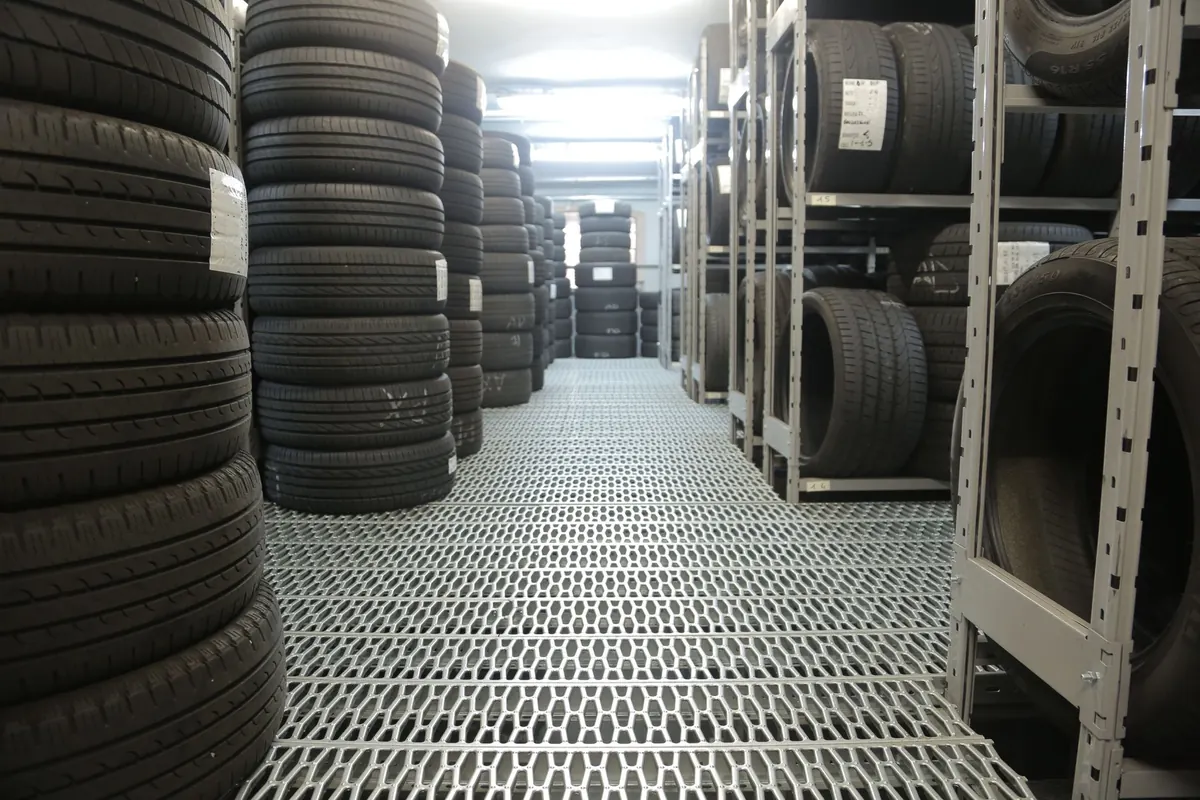
- Cheap tyres in a common size — you'll be buying a lot of them.
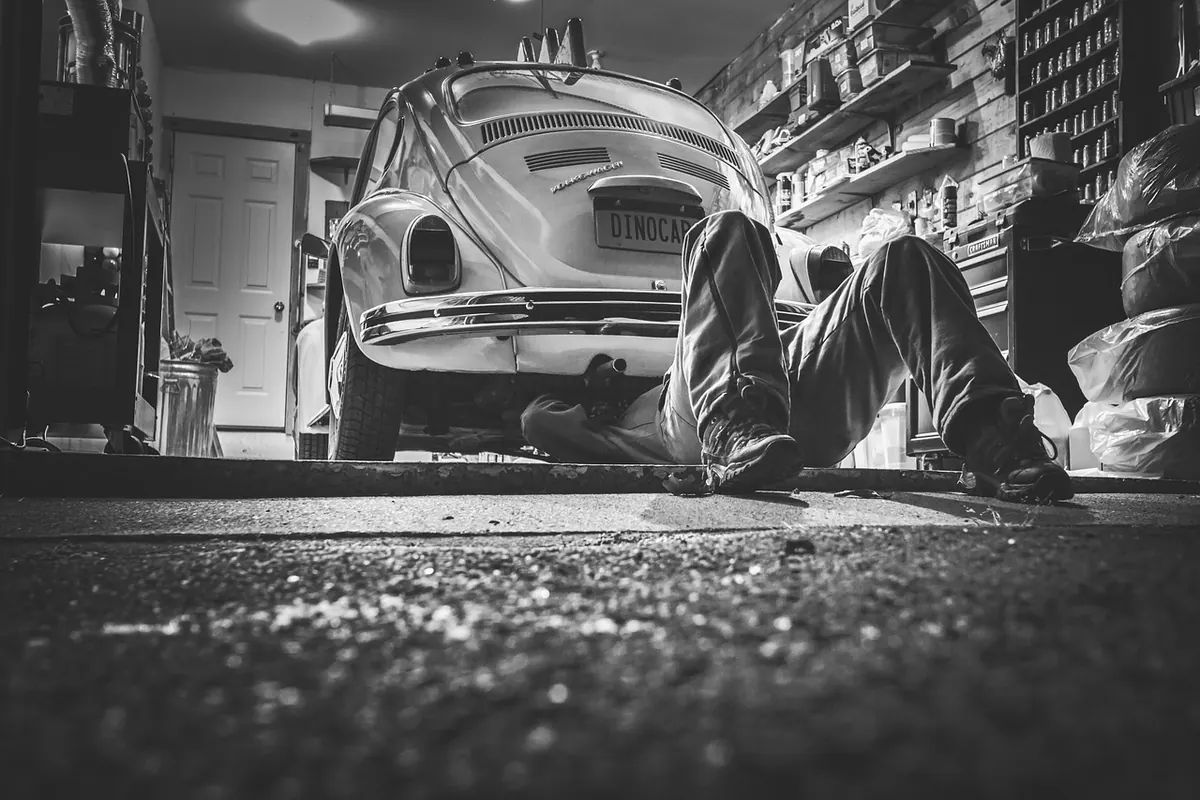
- An engine you can service yourself with basic tools.
Stage one: safety and roadworthiness
Before you think about angle kits, the car needs to stop, steer and stay together. Fresh brake fluid, decent pads and discs, and a handbrake that actually works. Check every brake line for corrosion — replacing a burst one at a drift day ruins the weekend.
Tyres matter more than most people admit. Good rubber on the front, cheap part-worns on the rear, no mixed brands across an axle. Fit a bucket seat if you can find one cheap, but keep the standard belt in place too, and be aware that a harness without a roll bar or cage isn't automatically safer. A helmet is non-negotiable at nearly every venue. So is a fire extinguisher and a properly secured battery.
Two legal points worth being clear on. Drifting on public roads is illegal, full stop — track days and private land only. And if the car is modified, tell your insurer; a welded diff or a stripped interior can void a policy you didn't declare. If you're unsure how that affects you, speak to a broker who deals with modified cars.
Stage two: reliability you can trust for a full day
Nothing ends a drift day faster than heat. A tired cooling system will give up after twenty minutes of sustained revs, so treat it as a priority rather than an upgrade.
A cheap pre-season service list
- New coolant, thermostat, radiator cap and any perished hoses.
- Water pump and auxiliary belts if there's no record of them being done.
- Engine oil and filter, plus a check for consumption or leaks.
- Plugs, leads or coils, and a fuel filter.
- Gearbox and diff oil — cheap, and often neglected for years.
- Engine and gearbox mounts. Worn ones cause missed shifts and broken exhausts.
Power steering fluid cooks quickly on a drift car. A small inline cooler from a breaker's yard is a worthwhile afternoon's work. If you're running a turbo, watch boost pipes and vacuum lines; a boost leak mid-corner is miserable.
Stage three: lock the rear axle
You cannot drift properly with an open diff. The cheapest solution is a welded differential, and plenty of UK drifters run one. Be honest about the trade-offs: it scrubs tyres, makes tight parking manoeuvres awkward, and it's a modification your insurer must know about. Some testers take a dim view at MOT time, so ask before you commit, and keep the original diff so you can swap back.
A used limited-slip diff from a higher-spec model is the tidier route if you can find one. Whichever you choose, replace the diff oil and check the bushes while you're underneath.
Stage four: suspension and steering essentials
Handling comes before horsepower. A tired standard car with worn bushes will feel vague no matter how much power you add.
- Dampers and springs: matched springs and dampers, or entry-level coilovers. Cheap ones are firm but not necessarily good; buy the best you can afford.
- Bushes: polybush the key points — front lower arms, rear subframe, diff mounts.
- Top mounts and drop links: cheap, and they transform steering feel.
- Alignment: a proper geometry setup is the single best-value handling spend on any build.
- Hydraulic handbrake: one of the most useful mods you can fit, provided it's plumbed properly and doesn't replace a cable handbrake you legally need.
An angle kit can wait. Learn to use the steering you have before you add more.
Stage five: the bits you can genuinely leave for later
More power is the last thing on the list. A tired 2.5-litre six with a locked diff and decent tyres will teach you more in one afternoon than 400 horsepower will in a season. Strip weight instead — rear seats, sound deadening, spare wheel well contents. Free, and it makes everything else work better. Buy rear tyres in bulk from part-worn sellers and keep a spare pair in the van.
Where to spend and where to save
If your total is £2,000, aim to spend the largest single chunk on the cleanest shell you can find, then work through brakes, cooling and fluids before anything cosmetic. Save on wheels, bodywork and exhausts; spend on safety, tyres and seat time.
Book a practice day early, even if the car isn't finished to your liking. Real feedback from a wet skid pan tells you what to fix next far better than a forum thread. Take basic tools, a jack, spare wheels and a mate who doesn't mind getting cold. And if you're modifying a road car, keep it legal, insured and honest with your insurer — the cheapest build is the one you can still drive home.
Photo: RyanMcGuire / Pixabay